
Development of equipment technology for gathering and separating oil-containing multiphase mixtures
Through the development of core oil sands gathering and separation technologies
Securing competitiveness in unconventional oil production plant construction
- 01Design, fabrication, modularization, and performance evaluation of core equipment, including oil–water separators, high-viscosity sludge transfer pumps, desalters, and desanders
- 02Installation of core equipment modules at the test bed and process optimization through commissioning and continuous operation
- 03Development of basic design technology for commercial-scale unconventional oil production plants
Final research outcome targets
Development of equipment technologies for gathering and separating multiphase mixtures
- 01Development of equipment technology for gathering and separating multiphase mixtures generated during oil sands extraction
- 02Establishing independent FEED capabilities through the design, fabrication, and performance evaluation of gathering and separation equipment
- 03Establishing strategies for linking and utilizing gathering and separation equipment technologies
- 04Installation and commissioning of core modules at the test bed, and process optimization through continuous operation
- 05Development of basic design technology for application to commercial-scale unconventional oil production plants
- 06Achieving at least 80% localization of equipment and materials in the demonstration plant
- 07Development of a business model for gathering and separation equipment through environmental and market analysis
Operating principles and performance indicators of core equipment
Gathering and separation · Transfer · Desalting · Particle removal
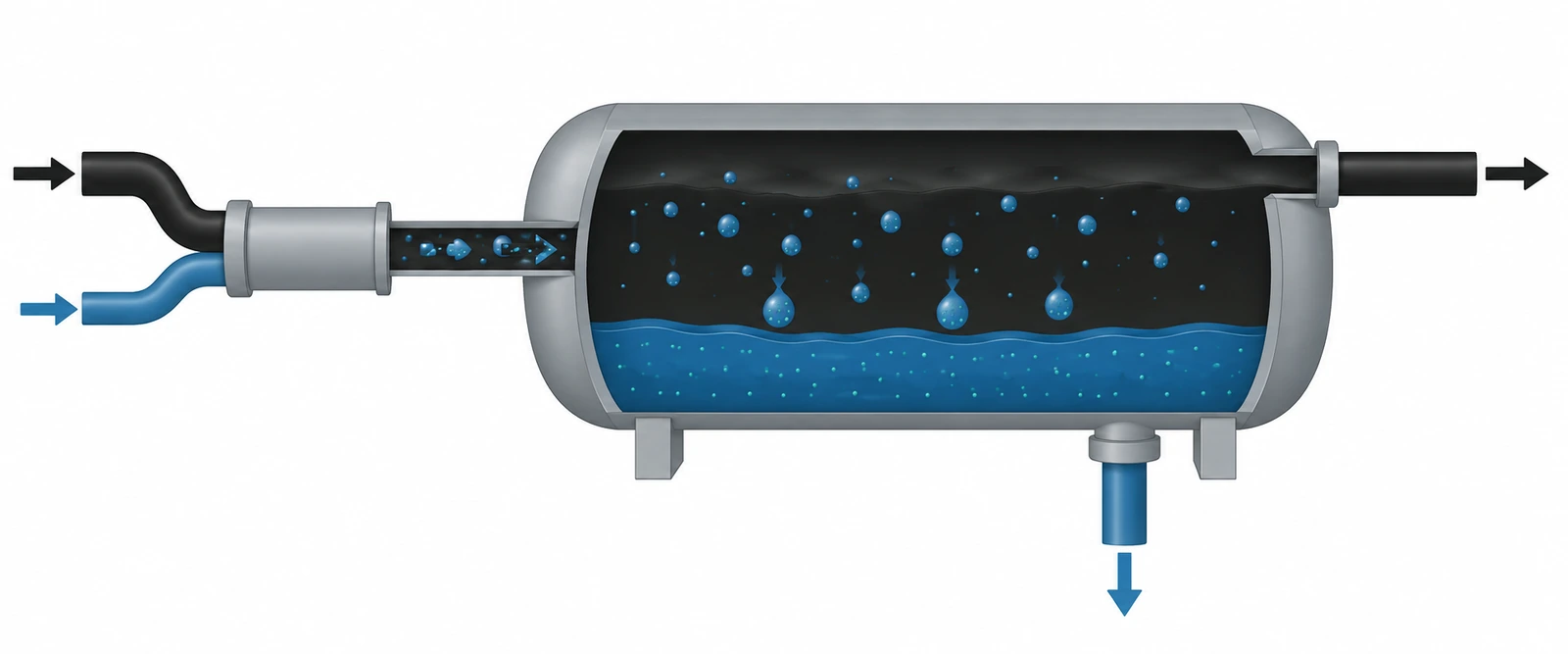
Three-phase oil–water separator
 Gas layer Oil layer Water layer
 Gas, oil, and water form layers due to density differences and are recovered separately through their respective outlets.
Separation efficiency
- 97% or higher
- Reduced treatment time
Equipment functions
- Establishing optimal design methods for three-phase oil–water separators
High-viscosity sludge transfer pump

A pump pushes low-flowability sludge through the transfer system. The diagram illustrates the principle of positive-displacement transfer; it is not a fabrication drawing of the actual selected pump.
Core equipment development
- Design, fabrication, and modularization
- Performance evaluation
Equipment functions
- Transfer of high-viscosity sludge
Desalting equipment
After mixing with wash water, the salt-containing water is separated from the oil. Brine is discharged separately, and oil with reduced salt content is recovered.
Salt content in oil
- <5 PTB
Equipment functions
- Reduction of salt in oil
Sand and fine-particle removal equipment

Solid particles mixed in the fluid are separated and discharged separately. The diagram illustrates the fluid and particle separation paths and differs from the actual internal structure.
Foreign matter separation efficiency
- 92%
Equipment functions
- Reduction of foreign matter in fluids
Implementation strategy and direction
Three implementation strategies
Utilizing the outcomes of the research group developing design, fabrication, and field-application technologies for modular oil sands plant construction
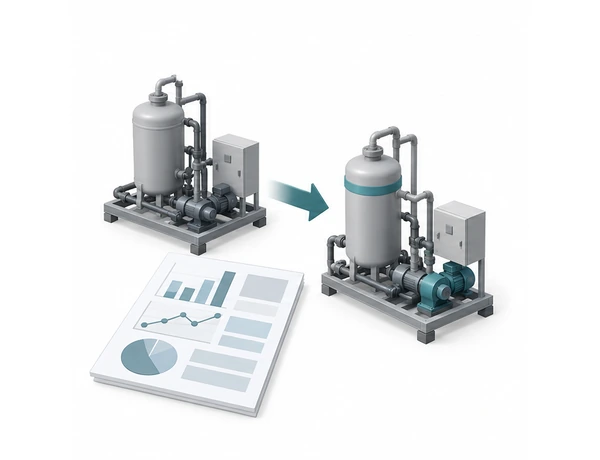
- Establishing optimal design methods for three-phase oil–water separators using oil–water separator demonstration data
- Establishing a test bed strategy based on pilot field-application data
Identifying overseas target markets for unconventional oil production plants
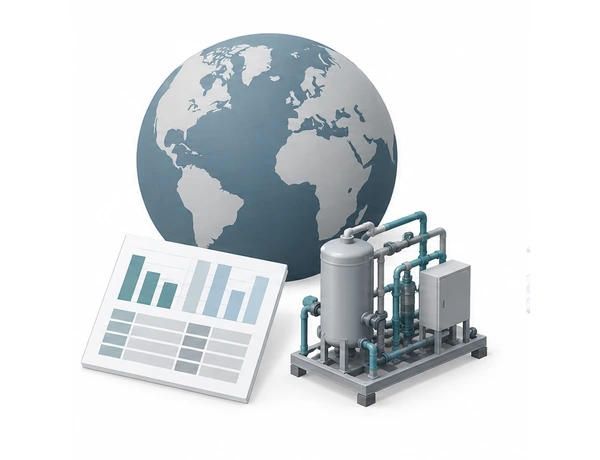
- Survey of market size, market growth, and domestic and international regulations
- Identifying target markets by segmenting key R&D outcomes
- Development of technologies optimized for local conditions
Pilot demonstration of gathering and separation plant equipment
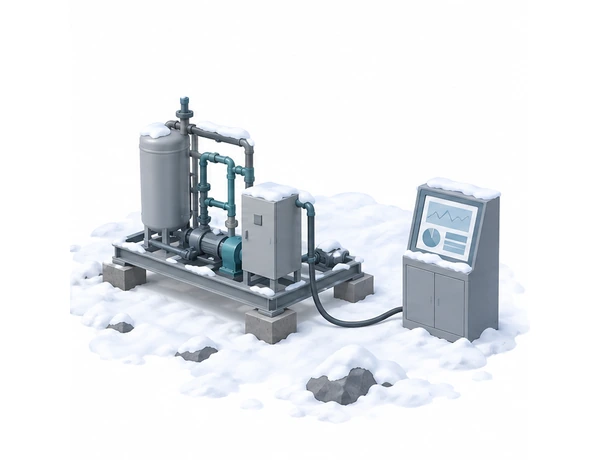
- Use of the Korea Institute of Civil Engineering and Building Technology's Yeoncheon SOC Demonstration Research Center site in a cold region of Korea
- Testing possible under conditions similar to the North American oil sands development environment
Research activities and outcomes
Project Year 1–Project Year 7
Project Years 1 and 2
- Technology survey and business analysis for gathering and separation equipment
- Conceptual design and establishment of operating conditions for gathering and separation unit processes
- Establishing test and evaluation items and specifications (standards)
- Process simulation and demonstration preparation
Project Years 3 and 4
- Fabrication of gathering and separation prototypes
- Performance evaluation based on field validation and issuance of accredited test reports
- Basic and detailed design of the integrated gathering and separation process for demonstration in Canada
- Securing patents and research outcome documentation
Project Years 5 and 6
- Fabrication of the integrated gathering and separation process and consolidation in Korea
- On-site construction of the integrated gathering and separation process
- Commissioning evaluation and improvement of the integrated gathering and separation process
- Pursuing overseas certification and standardization
Project Year 7
- Long-term operation and performance validation of the integrated gathering and separation process
- Simulation optimization based on local operating results
- Securing commercial-scale (20,000 BPD) FEED for the integrated gathering and separation process
AS-IS / TO-BE
Five technology transition objectives
Module design and fabrication
- Modular design technology for unconventional oil sands
- Modularization rate: 50%
- Development of module design technology (70% modularization rate)
Localization
- Existing R&D level: 60% or less
- Development of technology for an 80% equipment localization rate
Carbon neutrality & environmental sustainability
- Water reuse rate of approximately 60 %
- Increasing water reuse and reducing production costs
- Development of technology for a 90 % water reuse rate
- 20% improvement in energy efficiency
Technology development
- Three-phase oil–water separator: separation efficiency of at least 95%
- Desalting equipment: salt content in oil <10PTB
- Fine-particle removal equipment: foreign matter separation efficiency of 90%
- Three-phase oil–water separator: separation efficiency of at least 97%, reduced treatment time
- Desalting equipment: salt content in oil <5PTB
- Fine-particle removal equipment: foreign matter separation efficiency of 92%
AI and machine learning
- Limited application of AI and machine learning
- Limited database development
- Research on gathering and separation equipment optimization through machine learning (Machine learning)
- Optimization of oil sands production plant operation through data analysis technology