
Development of environmentally sound, high-yield unconventional oil recovery and circulation system technologies
Through independent oil sands recovery technology capabilities
Contributing to a foundation for entry into the upstream segment of unconventional oil production plants
For reducing greenhouse gas emissions and improving unconventional oil recovery
Development and demonstration of independent technologies for environmentally sound, high-yield thermal recovery and flow and circulation equipment
Technology framework
Four component technologies
- 01Thermal recovery and operational control technologies Development of hybrid thermal recovery and operational control technologies
- 02Well pad and test separation technologies Development of well pad systems and produced-fluid gathering and separation technologies
- 03Steam production and injection technology Development of modular steam production and subsurface injection equipment technologies
- 04Hybrid heat carrier technology Development of modular hybrid heat carrier pressurization station technology
Final research outcome targets and performance indicators by technology
Operating principles · Research activities and outcomes
Hybrid thermal recovery
 Steam and solvent Injection well Production well
  Chamber Injection well Production well
 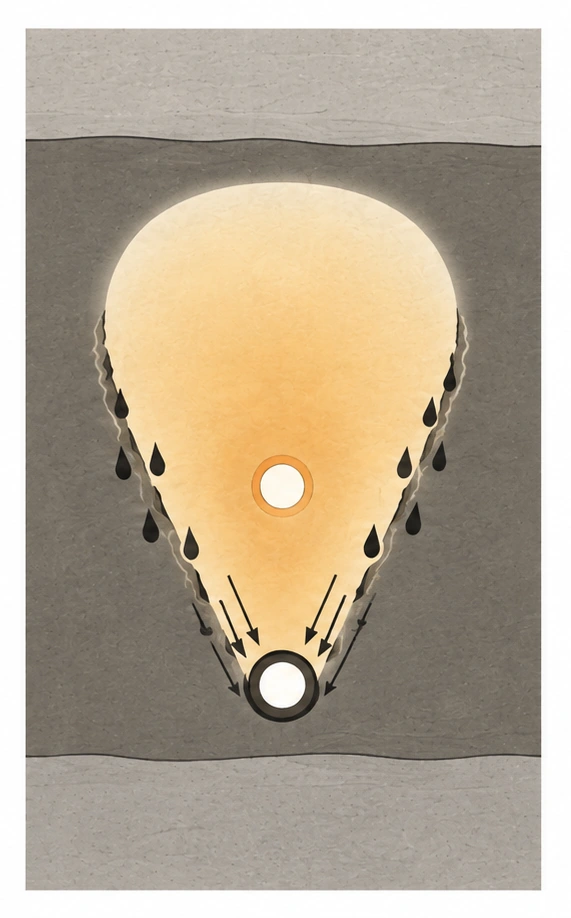 Chamber Injection well Production well ● Bitumen
 Steam and solvent reduce the viscosity of bitumen, allowing it to flow under gravity and collect in the lower production well.
Bitumen recovery
- Unconventional oil recovery of at least 62%
- CSOR of 2.9 or less
- Solvent use ratio of 5vol% or less
Final research outcome targets
- Increased bitumen recovery
- Reduced steam demand and energy consumption
Recovery and group separation
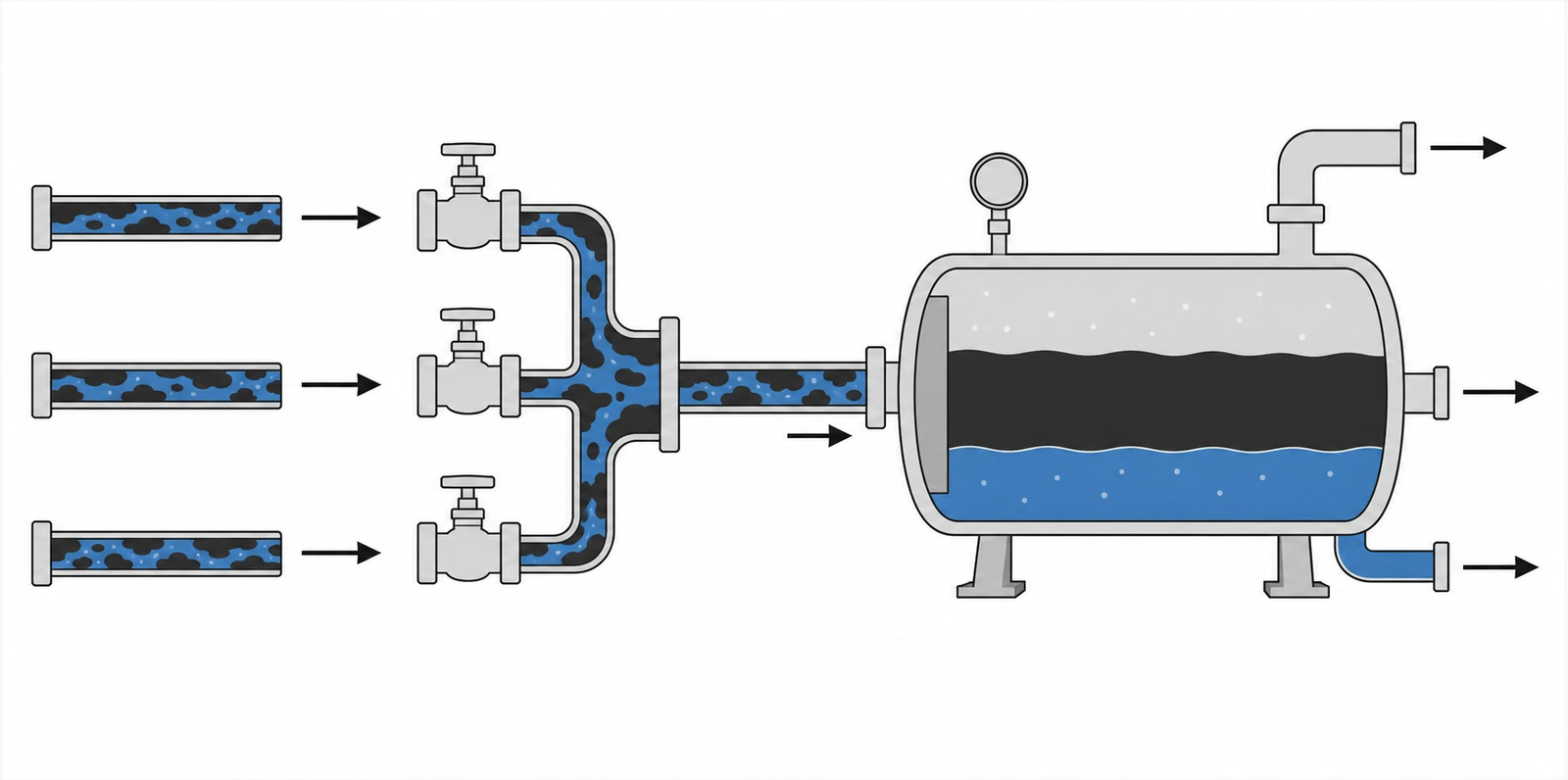 Produced fluids Gathering manifold Instrumentation Gas Oil Water
 Produced fluids from multiple wells are gathered in a manifold, then assessed through test and group separation to inform operations.
Group separation of produced fluids
- Produced-fluid separation performance: API 23
- Thermal conductivity: 0.006 W/m·℃
- AER Directive 17
Final research outcome targets
- Efficient operation
- System stability
Injection and mobility enhancement
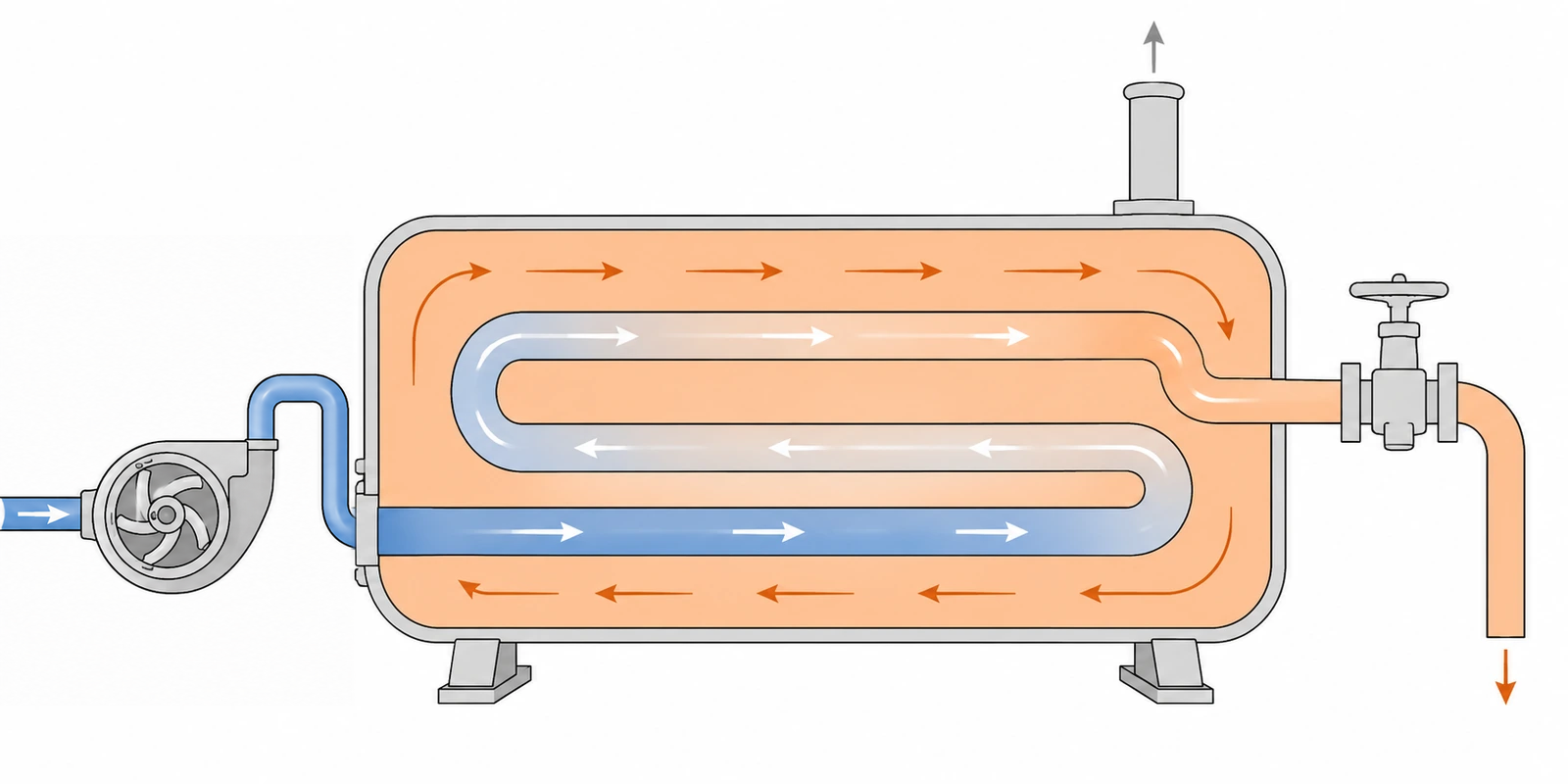 Feedwater pump Indirect heating Feedwater Steam Flue gas Injection supply
 Water flows through a coil and receives heat from outside to generate steam. The steam is supplied to injection equipment after pressure control.
Production gas injection and mobility
- Steam quality/purity: 100%
- Combustor vaporization rate of at least 95%
- Pressurization performance standard: API 610
Final research outcome targets
- Increasing bitumen mobility
- Increased yield and energy efficiency
Well pad system integration
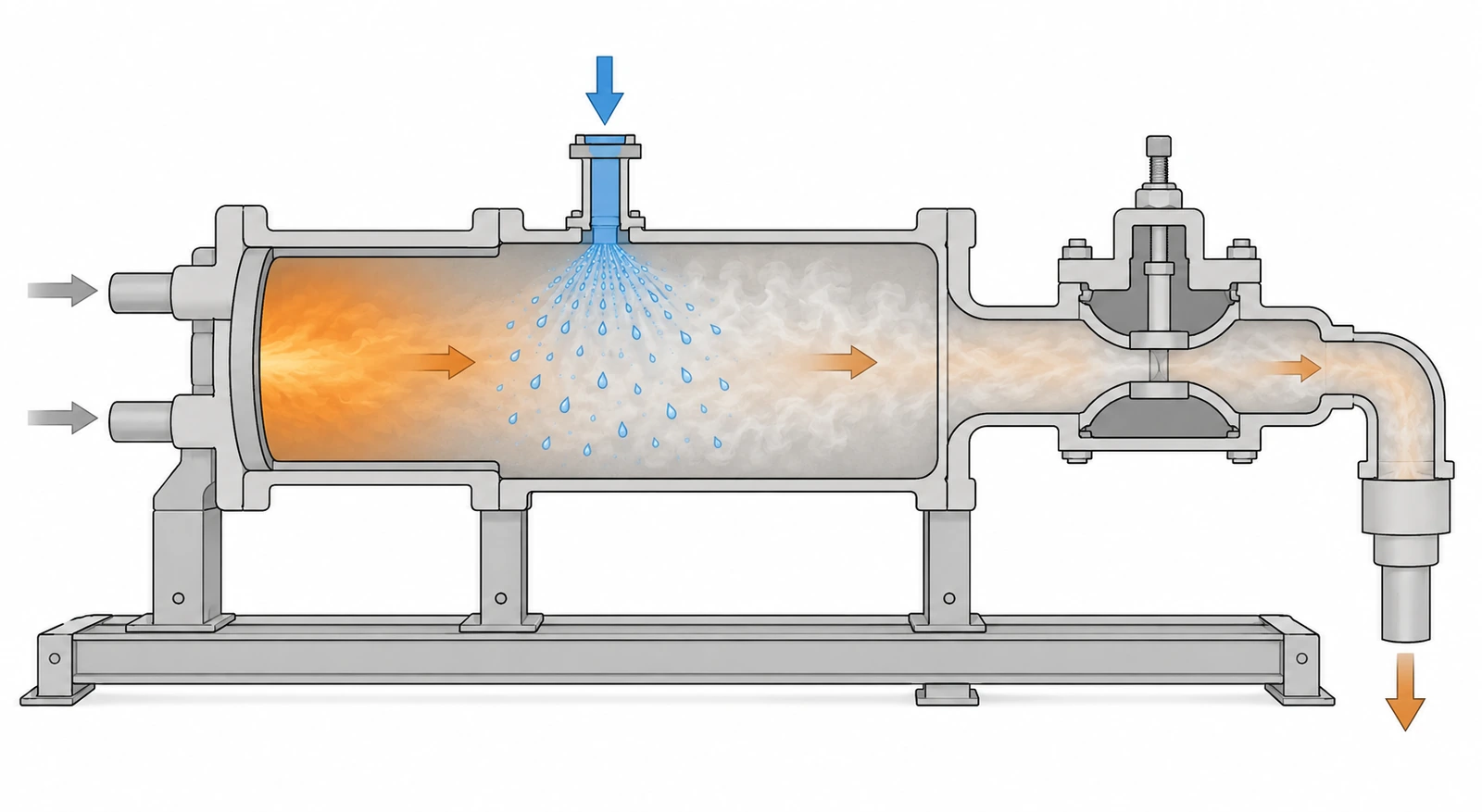 Combustion section Feedwater Direct injection and mixing Pressurization and supply Mixed heat-transfer medium
 Water is injected directly into the combustion environment to produce a heat-transfer medium combining steam and combustion gases, which is supplied at a controlled pressure from modular equipment.
Commercial-scale well pad system
- Treatment capacity: 8,400 bpd/pad
- Integrated availability of at least 95%
- Service life of at least 15 years
Final research outcome targets
- Integration of wells and functional equipment
- Service life–cost optimization
Implementation strategy and direction
Five implementation strategies
Strengthening core design capabilities
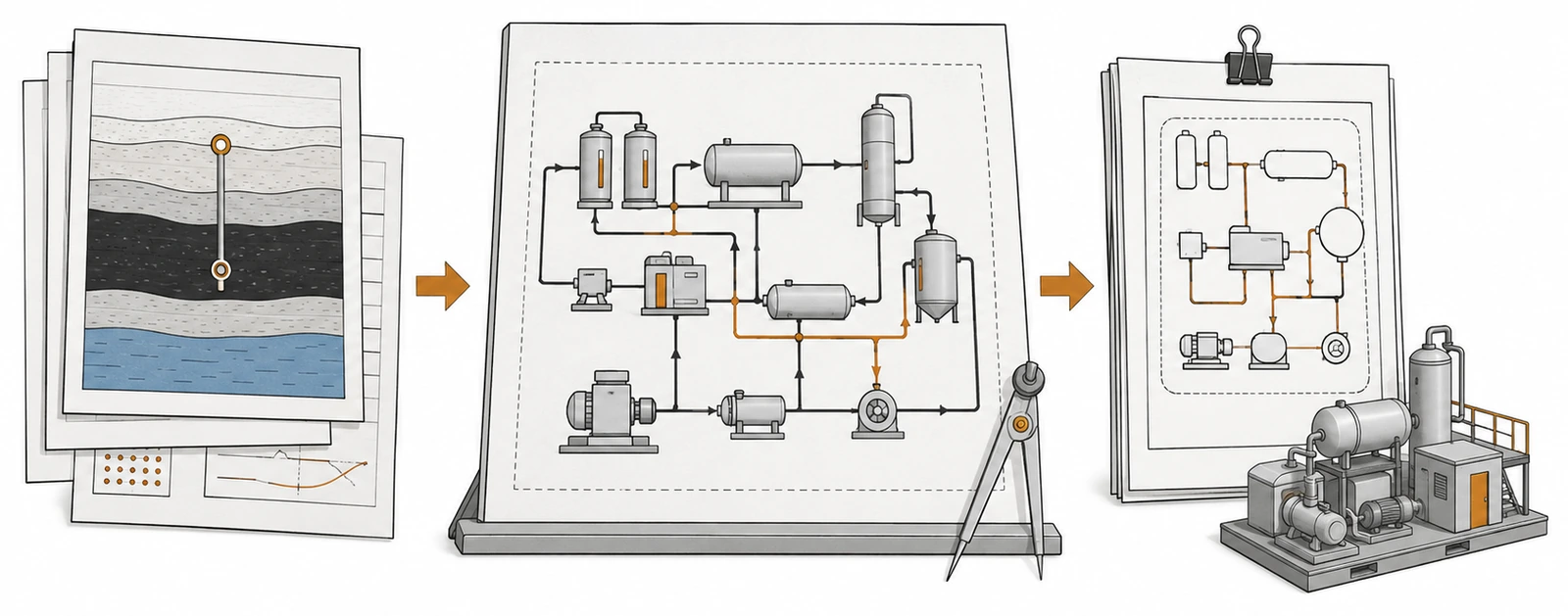
Implementation linked to existing research outcomes

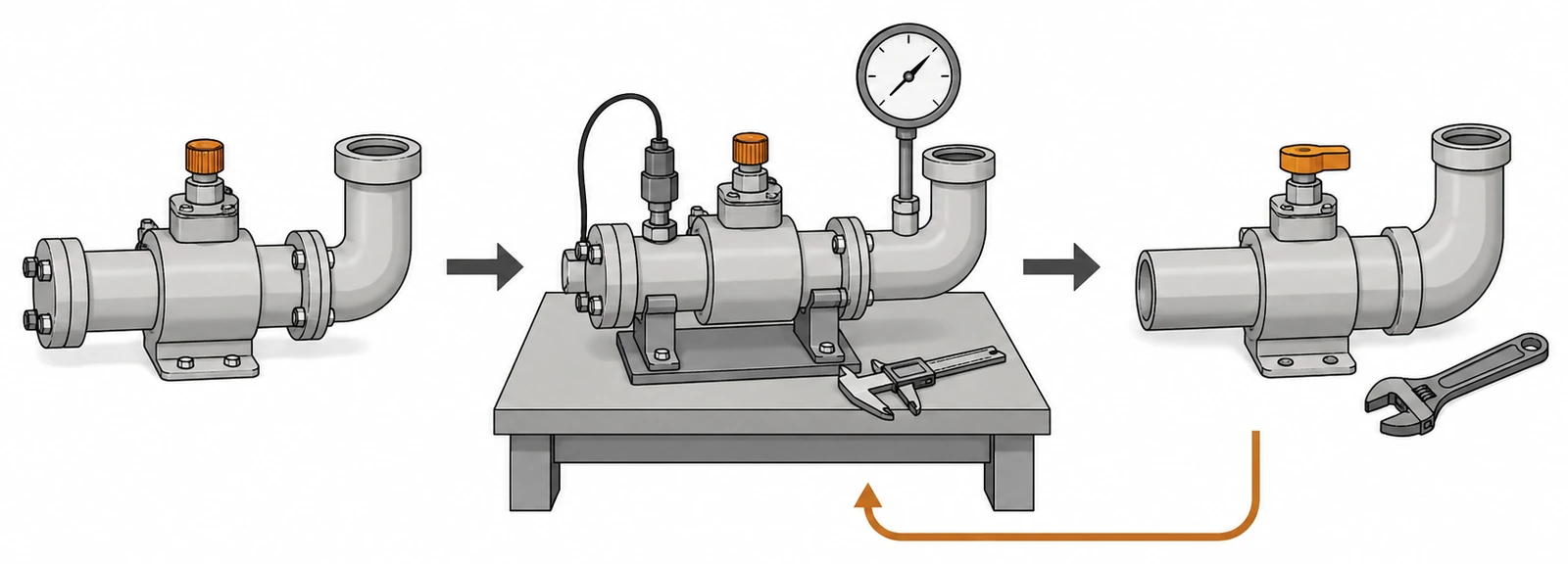
Improving technology maturity
Utilizing domestic and international networks
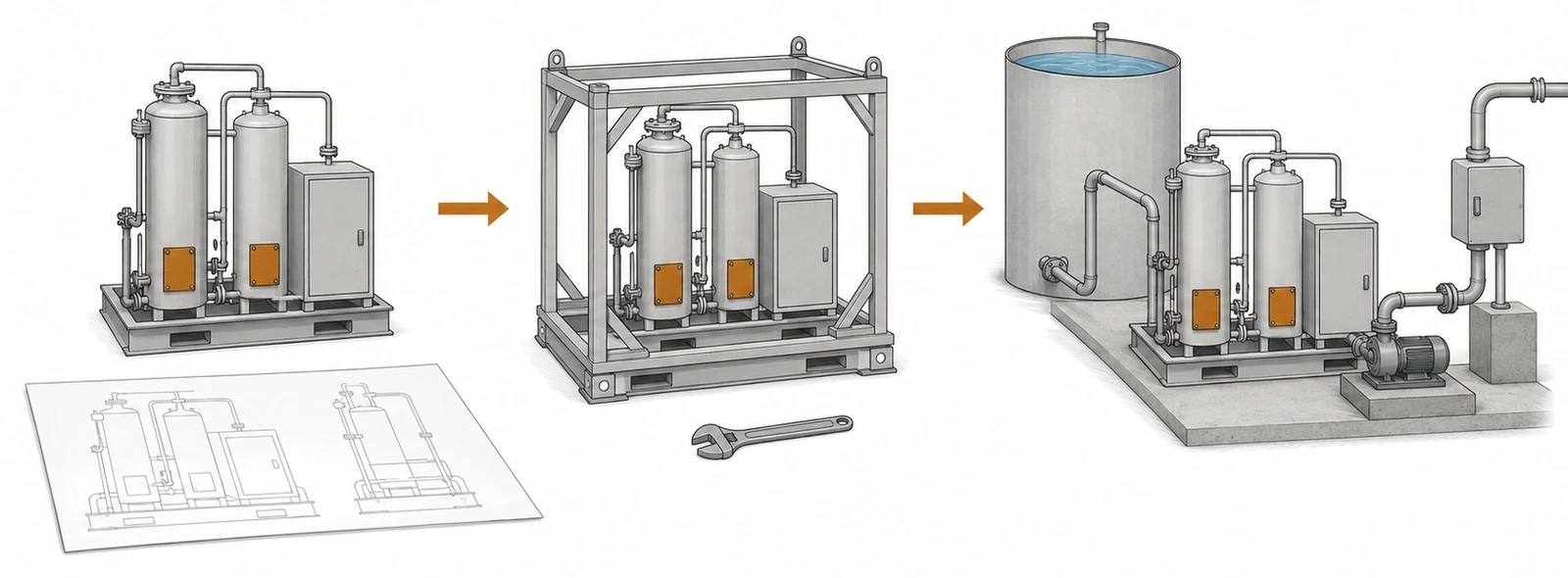
Promoting practical application and commercialization
AS-IS / TO-BE
Transition objectives by component technology
Thermal recovery and operational control technologies
- Unconventional oil recovery of 50% using SAGD
- CSOR : 3.5
- Unconventional oil recovery of at least 62% using ES-SAGD
- CSOR: 2.9 or less
Well pad and test separation technologies
- Distributed construction of functional facilities at remote sites
- Wear and corrosion in well pad systems, and heat loss in production tubing
- Centralized modular installation using a well pad system
- Development of technology to prevent heat loss in production tubing
Steam production and injection technology
- Production and supply of high-temperature, high-pressure, high-purity steam
- Pressurization performance standard: API 610, quality/purity: 95%
- Production of high-purity steam and pressurization and supply through a production-enhancement gas pressurization line
- Pressurization performance standard: API 610, quality/purity: 100%, supply temperature: 314℃
Hybrid heat carrier technology
- Need to reduce energy consumption and improve recovery in commercial SAGD operations
- Technology level: 75%, TRL 4
- No vaporization rate available for the hybrid heat carrier combustor
- Energy savings through direct feedwater injection into the combustion environment and simultaneous injection of the combustion gas mixture
- Technology level: 95%, TRL 8
- Hybrid heat carrier combustor vaporization rate: 95%