
Support for development and demonstration of core construction technologies for unconventional oil production plants
Research vision and implementation strategy
Linking core technologies from each focus area to integrated demonstration
Developing new markets through competitiveness in plant construction
Development and demonstration of core technologies for oil sands production, processing, and transport plants in extreme cold regions
Scientific and technological research outcome targets
- Securing oil production and pretreatment plant technologies for extreme cold regions
- On-site demonstration plant construction and operation
Socioeconomic research outcome targets
- Achieving commercialization through core technology transfer and validation
Business model
Business expansion
With large-company support, led by mid-sized enterprises and SMEs Convergent R&D based on local demand
To improve the maturity of developed technologies Stepwise validation and demonstration Pursuing commercialization through
With leading organizations in technology and testing certification for northern extreme cold regions International exchange and cooperation with priority given to
Efficient Program management and dissemination framework for research outcomes Establishment and implementation
Integrated demonstration
Focus Area 5 ↗- Test bed scale
- 600bpd
- Localization rate
- 80 % or higher
- Operating days
- 90 days or more Continuous operation
※ The figure was adjusted to 600 bpd following a change in the field.
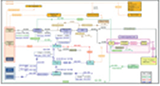
600 bpd
Pre-FEED technology
Establishment of design criteria and guidelines
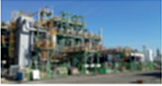
600 bpd FEED technology and test bed construction
Pre-FEED foundation and technology development
Integrated FEED package
Design data for recovery, separation, water treatment, and partial upgrading are linked to integrated demonstration.
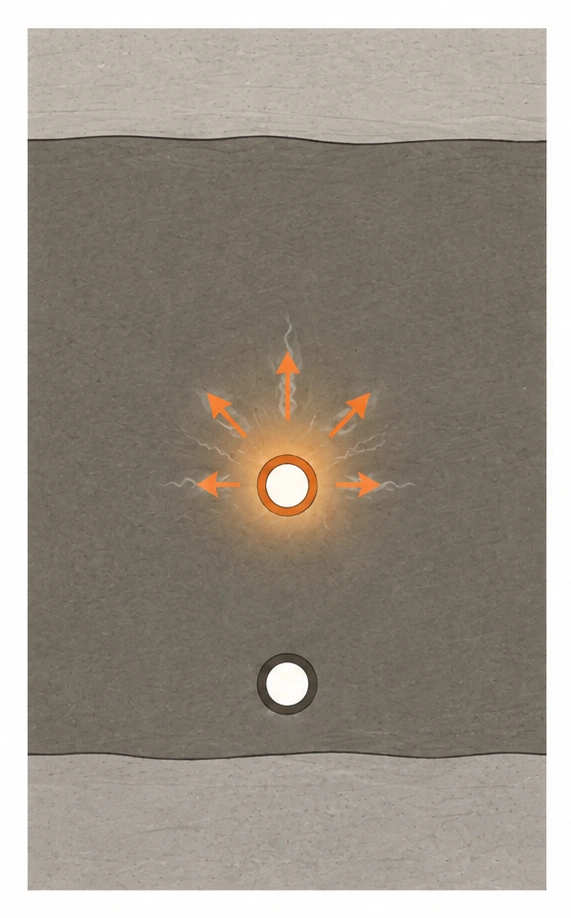 Steam and solvent Injection well Production well
 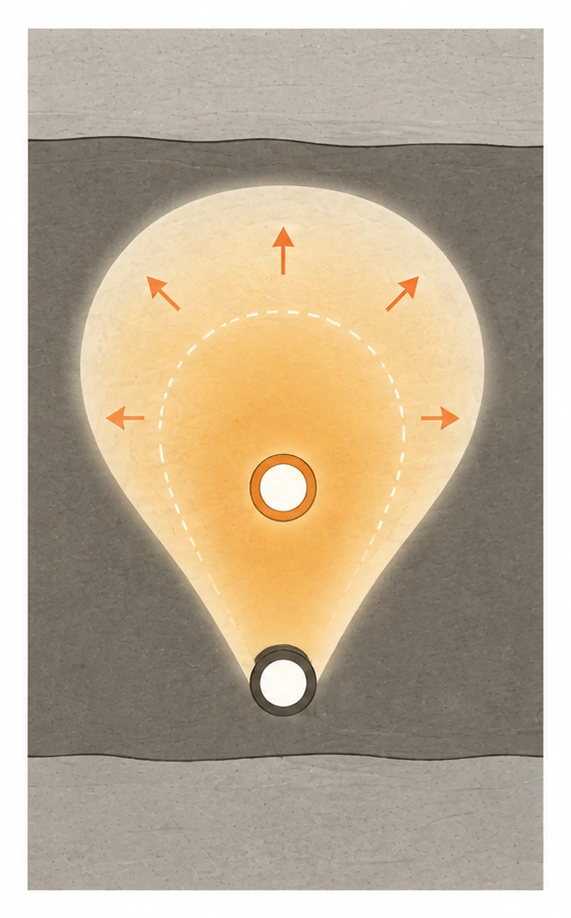 Chamber Injection well Production well
 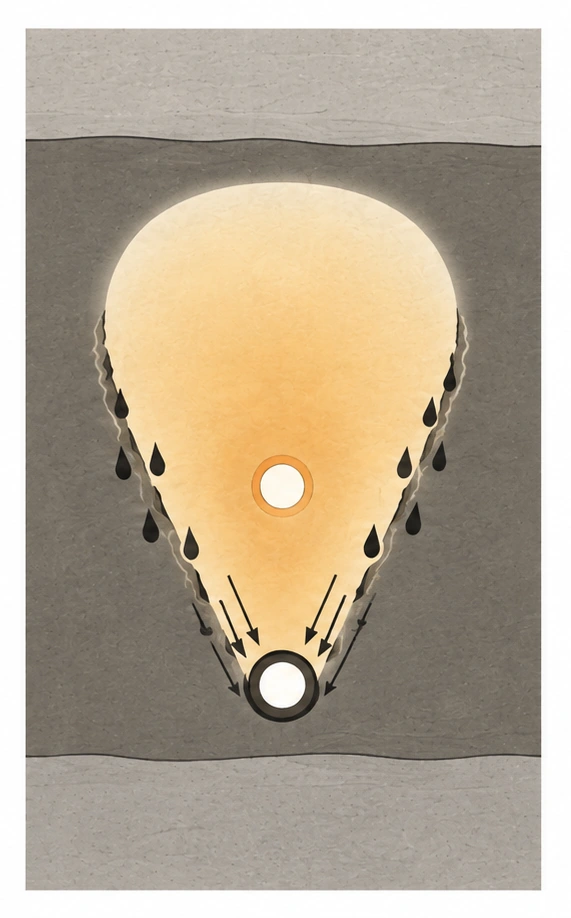 Chamber Injection well Production well ● Bitumen
 Steam and solvent reduce bitumen viscosity, allowing it to collect in the lower production well for recovery.
Cross-section perpendicular to the horizontal wells
Upper circle: injection well · Lower circle: production well
 Mixture Gas layer Oil layer Water layer
 Gas, oil, and water form separate layers inside the vessel and are recovered through their respective outlets.
 Removed oil Flotation separation Electrodes and membranes Membrane Reclaimed water Concentrate Recovered water Residual solids
 After oil and organic matter are reduced, the water is divided into reclaimed-water and concentrate streams. The concentrate is treated separately to pursue additional water recovery.
 High-viscosity bitumen Catalytic reaction Partially upgraded oil Improved flowability
 This technology uses catalysts and reaction processes to partially upgrade bitumen, producing partially upgraded oil suitable for long-distance transport.
Program roadmap
Phase 1
4 yearsEstablishing a foundation · Establishing design data
01 Establishment and operation of program administrative infrastructure
- Establishment of program administrative infrastructure
- Adjusting the detailed implementation framework for program operations
- Preparation of a data analysis report for establishing unconventional oil production plant processes
02 Support for component technology development
- Establishing a foundation for demonstration through support from evaluation, certification, and analysis centers for each component technology
- Support for integrated process evaluation to link component technologies, and establishment of a regular research exchange system
- Domestic and international joint research exchanges and seminars
03 Discussions on the on-site test bed location
- Selection of the research group's own criteria and economic evaluation for each component technology
- On-site test bed visits and technical exchange
- Discussions on technical exchange with local companies and assessment of the applicability of Korean equipment
04 Establishing design data
- Assessment of achievement of 80% localization for each core technology
- On-site test bed discussions and preliminary agreements
- Securing integrated design data for component technologies
Phase 2
3 yearsOn-site demonstration · Integrated design
05 Support for establishing the on-site test bed
- Support for establishing the on-site test bed in Canada
- Technical advisory discussions and support for test bed construction
- Support for initial test bed operation and management
06 Support for on-site test bed operation
- Support for operation of the 600 bpd integrated test bed
- Support for medium- to long-term operation of at least 9 months
- Regular reporting of results and sharing of research refinements
07 Deriving integrated design and operating guidelines
- Development of an integrated FEED package
- Providing guidelines for a 20,000 bpd integrated plant