
Development of partial upgrading technology for long-distance transport of unconventional oil
From high-viscosity unconventional oil, without using expensive diluents
Development and demonstration of partial upgrading technology to produce synthetic crude oil for long-distance pipeline transport
Phase 1 · Development of partial upgrading catalyst and process design technologies
Phase 2 · Performance evaluation and optimization of demonstration facilities
Technology framework
Two subprojects · Linked to Focus Area 5
Design data
Product: partially upgraded bitumen (PUB, Partially Upgraded Bitumen)
Research objectives and final research outcomes
Catalyst technology · Reactor and process technology
Partial upgrading catalyst technology
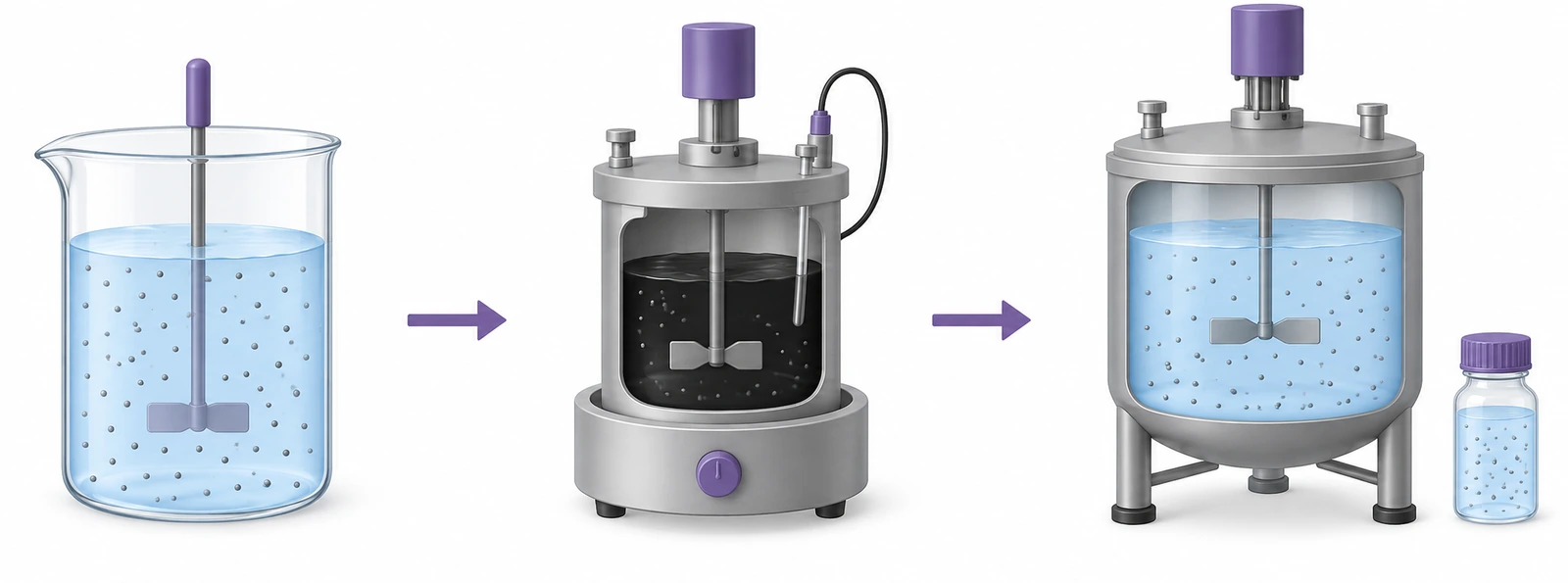
Catalytic reactions and changes in physical properties
 High-viscosity bitumen Catalytic reaction Partially upgraded oil Improved flowability
 Water-based dispersed catalysts are designed and synthesized, and their reaction performance is evaluated. Once catalyst uniformity and activity are established, the technology is scaled up for catalyst production for the demonstration process.
Dispersed catalysts for partial upgrading processes
- Securing dispersed catalyst technology
- Development of multifunctional and dispersed bimetallic catalysts
- Technologies for ensuring uniformity and demonstration-scale production
Research activities and outcomes
- Selection of partial upgrading catalysts and determination of optimal reaction conditions
- Reaction evaluation and performance improvement of catalysts and additives
- Feeding and applying developed catalysts at demonstration scale
Partial upgrading reactor and process technologies
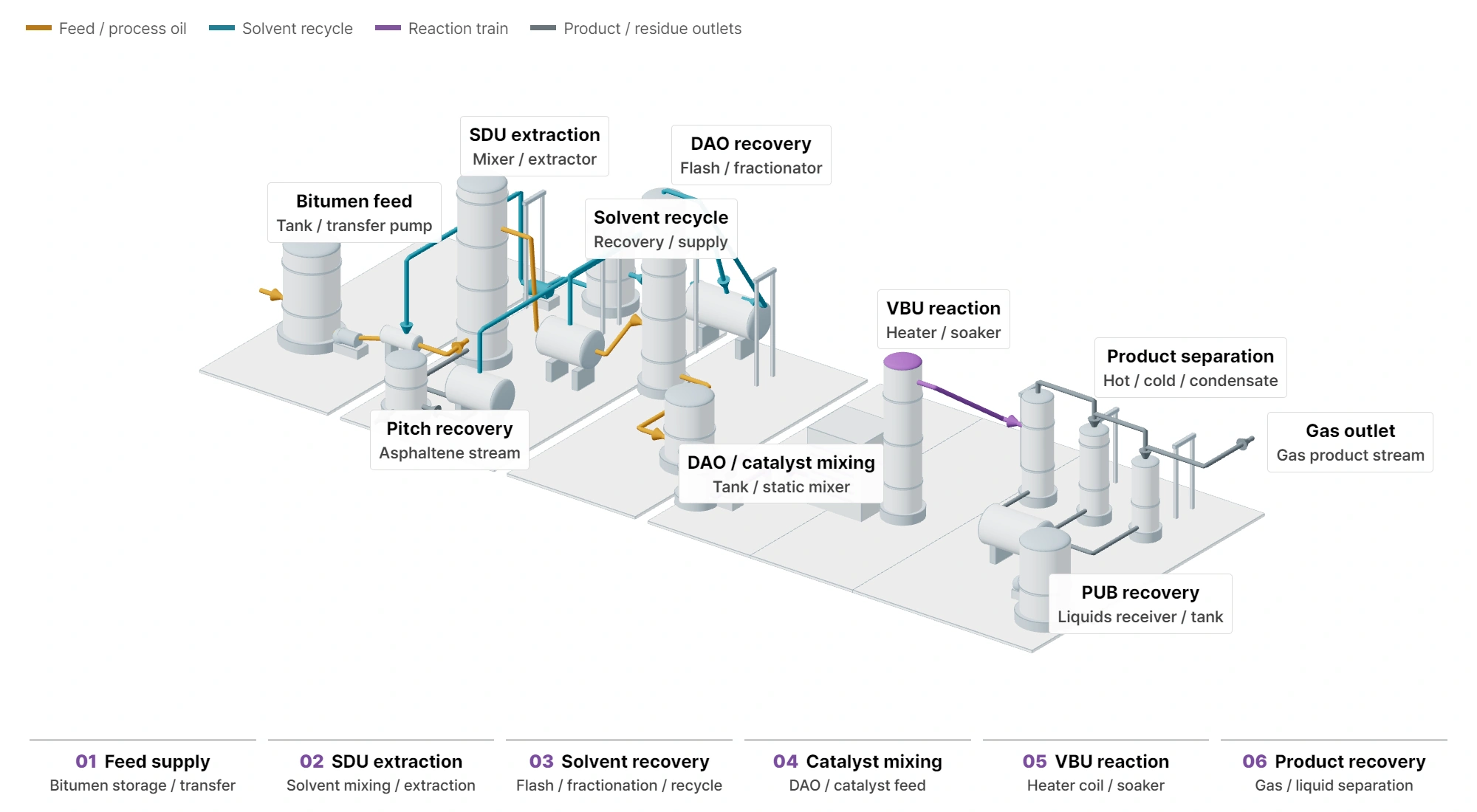
This schematic 3D layout reflects the revised process in the Q2 2026 progress review materials. Equipment sizes, spatial arrangement, and piping routes are schematic representations of the main process connections.
The equipment sequence and connections cover bitumen feed, solvent extraction and recovery in the SDU, DAO and catalyst mixing, the VBU reaction, and product separation and recovery. Solvent recirculation and discharge paths for pitch, gas, and partially upgraded oil are designed together.
Partial upgrading demonstration facilities
- 20 bpd scale
- Performance evaluation and optimization of demonstration facilities
- Equipment design and optimal operation technologies
Research activities and outcomes
- Improving partial upgrading reactor and process performance
- Detailed design and testing of PDU-scale experimental equipment
- Securing a demonstration track record and design data
Development plan by phase
Laboratory and PDU scale → On-site demonstration stage
2022–2025
Subproject 4-1
- Selection of partial upgrading catalysts and determination of optimal reaction conditions
- Development of multifunctional and dispersed bimetallic catalysts
- Ensuring dispersed catalyst uniformity and developing demonstration-scale production technology
Subproject 4-2
- Development of partial upgrading performance improvement technology
- Detailed design and testing of PDU-scale experimental equipment
- Partial upgrading reactor and process design through optimization of operating conditions
2026–2028
Subproject 4-1
- Feeding and applying developed catalysts at demonstration scale
Subproject 4-2
- Transport, installation, and testing of the partial upgrading reactor
- Establishing a demonstration facility track record and deriving design data
Implementation strategy and direction
Linking reactors, processes, and dispersed catalysts for demonstration
Development and evaluation of partial upgrading demonstration facilities
Focus Areas 1, 2, and 3
Solvent (C5-C6)
Korea Institute of Energy Research (KIER)
- Performance improvement and evaluation of partial upgrading reactors and processes, and development of basic design technology
- Partial upgrading demonstration facilities 20 bpd scale Development of performance evaluation and optimization technologies
Basic equipment design data
Focus Area 5 ↗
Partial upgrading reactor and process technologies
테크윈 Co., Ltd.
- Development of Visbreaker/CDU process configuration and design technology
- Support for basic and detailed design, fabrication, installation, and operation of demonstration facilities
필즈엔지니어링 Co., Ltd.
- Development of SDA Unit process configuration and design technology
- Support for basic and detailed design, fabrication, installation, and operation of demonstration facilities
Dispersed catalyst technology for partial upgrading
Korea Research Institute of Chemical Technology (KRICT)
- Development of design and synthesis technologies for water-based dispersed catalysts for partial upgrading
- Development of mass production technology for dispersed catalysts for use in demonstration-scale processes
Dankook University
- Development of reaction evaluation and performance improvement technologies for partial upgrading catalysts and additives
- Elucidation of partial upgrading catalytic reaction mechanisms and dispersed catalyst activity
Research activities and outcomes
From dispersed catalysts to demonstration construction and operation
- 01Dispersed catalyst technology Design and synthesis of water-based dispersed catalysts
- 02Performance optimization technology Reaction evaluation and performance improvement of catalysts and additives
- 03Process design technology Optimization of reactor and process design and operating conditions
- 04Demonstration construction and operation technologies Construction, operation, and performance evaluation of demonstration facilities
Partial upgrading and solvent recirculation
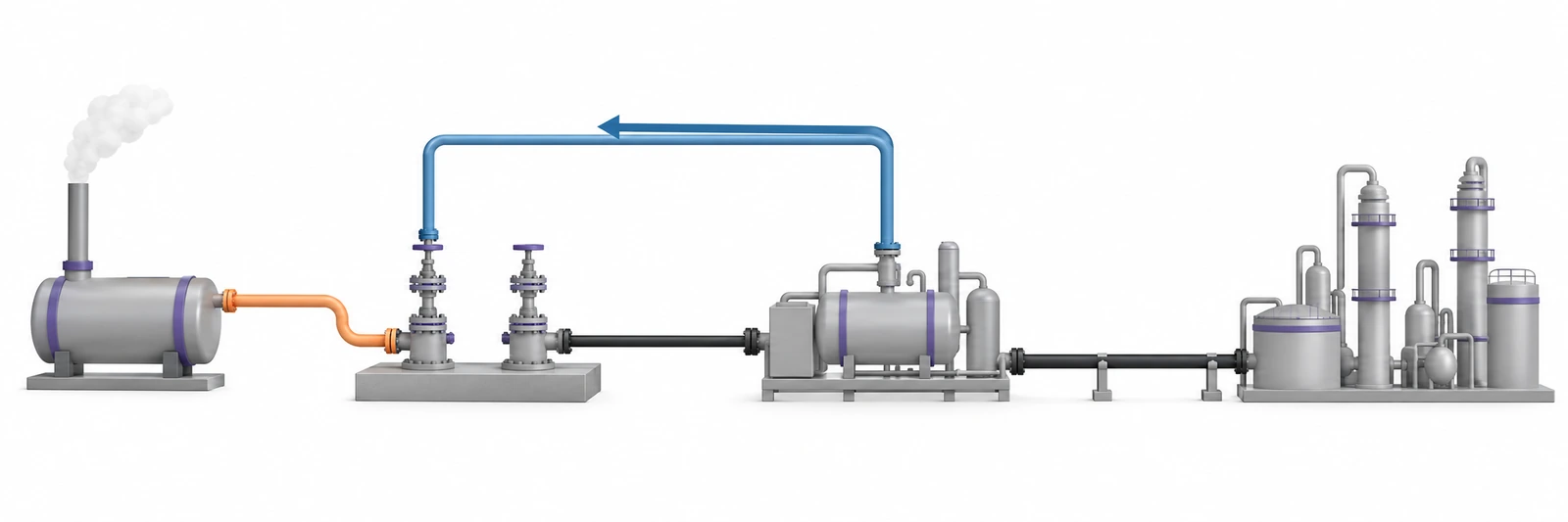 Recovered solvent and naphtha Steam ES-SAGD Partial upgrading Partially upgraded oil Refining process
 Produced oil is partially upgraded and sent to transport and refining processes, while recovered solvent and naphtha are recirculated to the production process. The diagram illustrates the process connections.
AS-IS / TO-BE
Comparison of connections among transport oil, recirculation, and refining processes
Diluted bitumen transport
Diluted Scheme
SAGD
Production site(DilBit)
(Diluents)
Refinery
CDU · VDUCoker · HDS
Diluent transported with bitumen is recovered at the refinery and recirculated to the production site.
Transport after full upgrading
Full Upgrader Scheme
SAGD
Production siteFull upgrading
Full Upgrader Coke and sulfur generationRefinery
CDUSynthetic crude oil produced through full upgrading facilities is sent to the refinery.
Transport after on-site partial upgrading
Partial Upgrader Scheme
SAGD
Production sitePartial upgrading
Partial UpgraderSCW
Refinery
CDU · HDSThis is the partial upgrading route in the original comparison diagram. It shows a direction toward reducing dependence on expensive diluents and transporting partially upgraded oil over long distances.
Refinery connections by transport oil type
Common feedstock · Bitumen (BITUMEN)
UPGRADED BITUMEN